The Solon House: A Window into Champaign’s Past
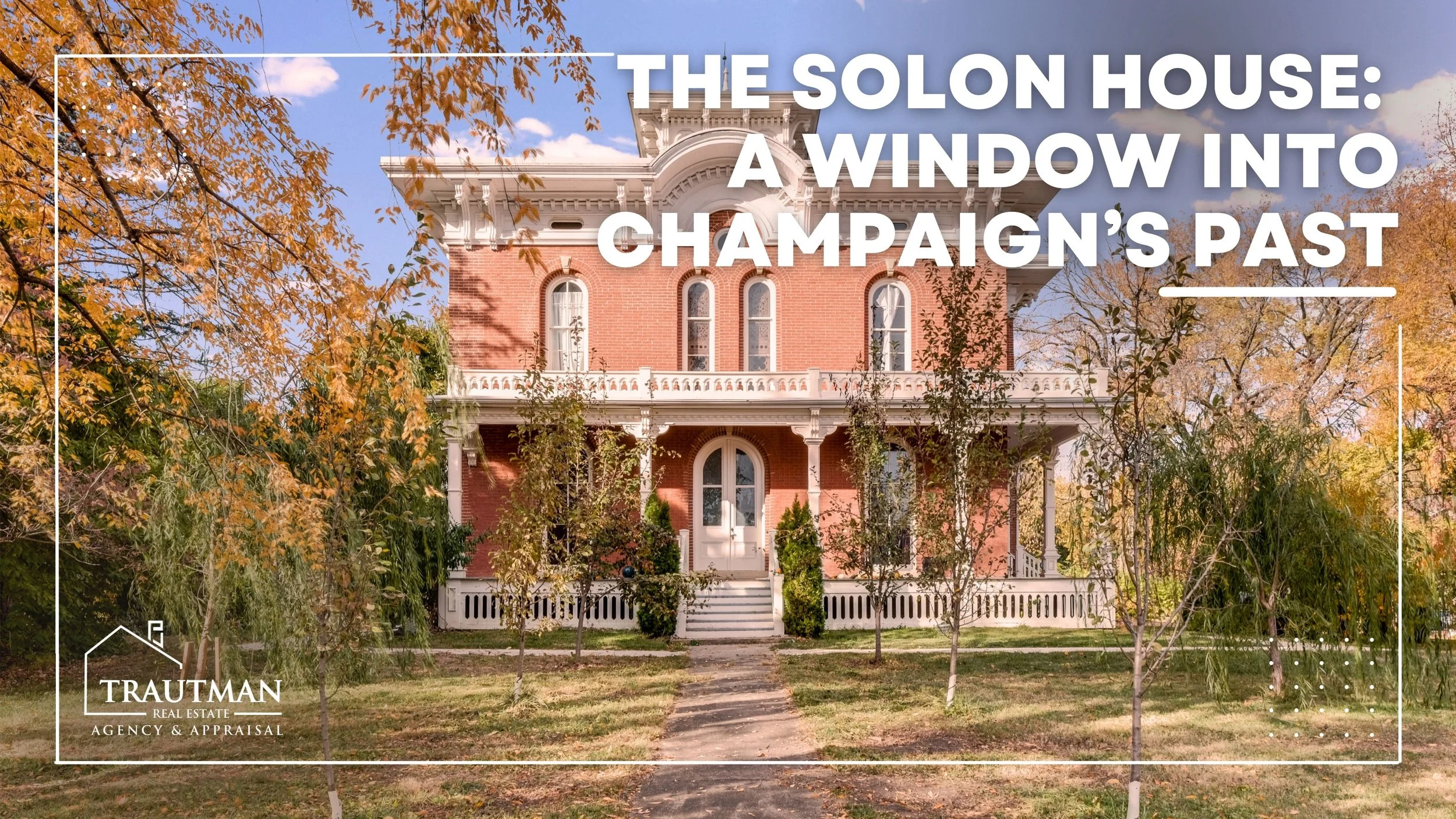
Nestled amid the urban buzz of downtown Champaign, the Solon House — officially called the Francis and Abbie Solon House — stands as one of the city’s most enduring architectural treasures. Its story stretches back to the mid-19th century, wrapping together local ambition, architectural style, and the legacies of families who helped shape Champaign’s early identity.
Birth of a Landmark (1867–1869)
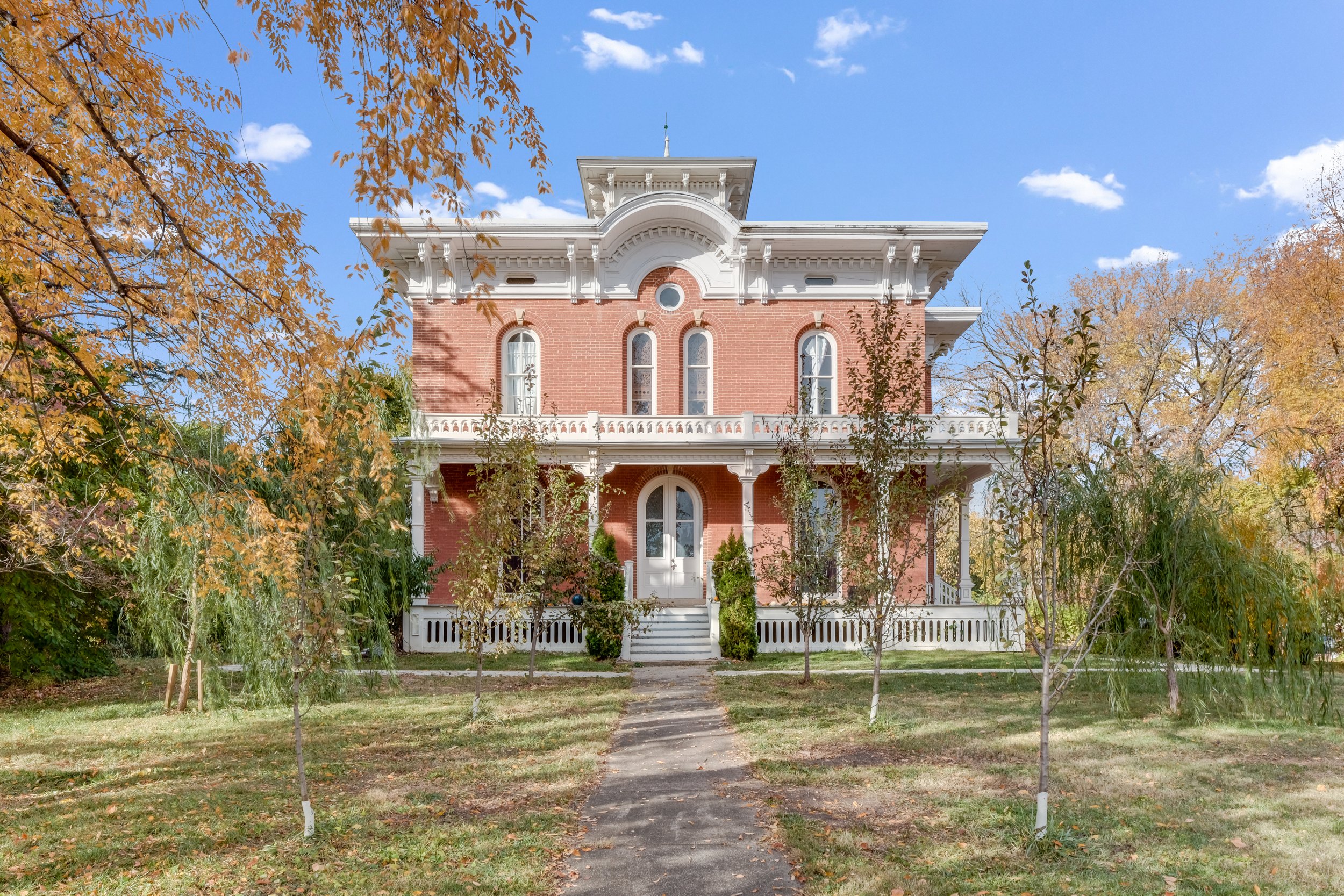
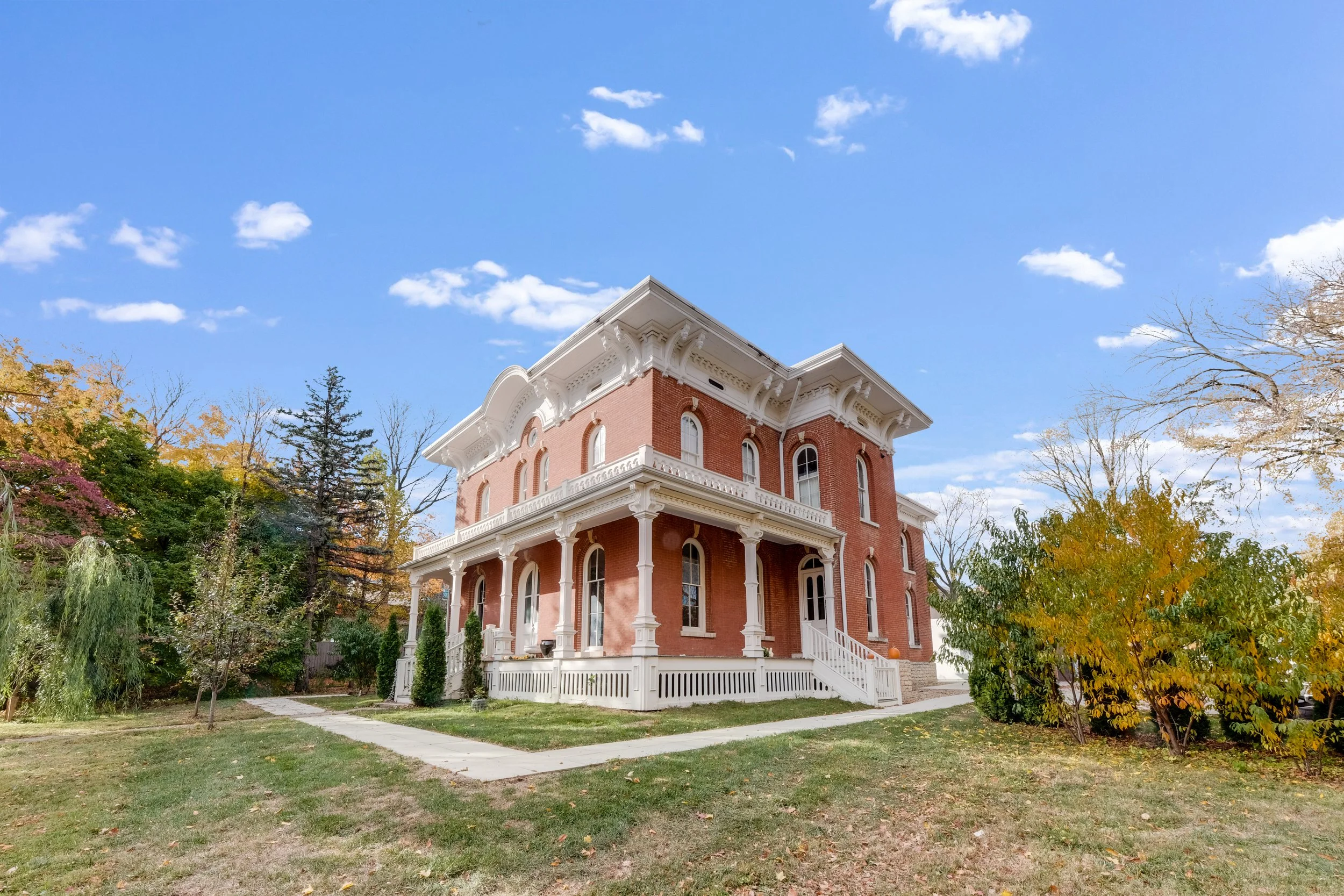
The house was constructed in 1867 during a boom period in Champaign’s development following the Civil War. It was commissioned by William Barrett, a local developer, and designed by architect Seeley Brown in the Tuscan Villa subtype of Italianate architecture, a style that was popular among affluent Americans in the post-war era for its classical proportions and ornamental flair.
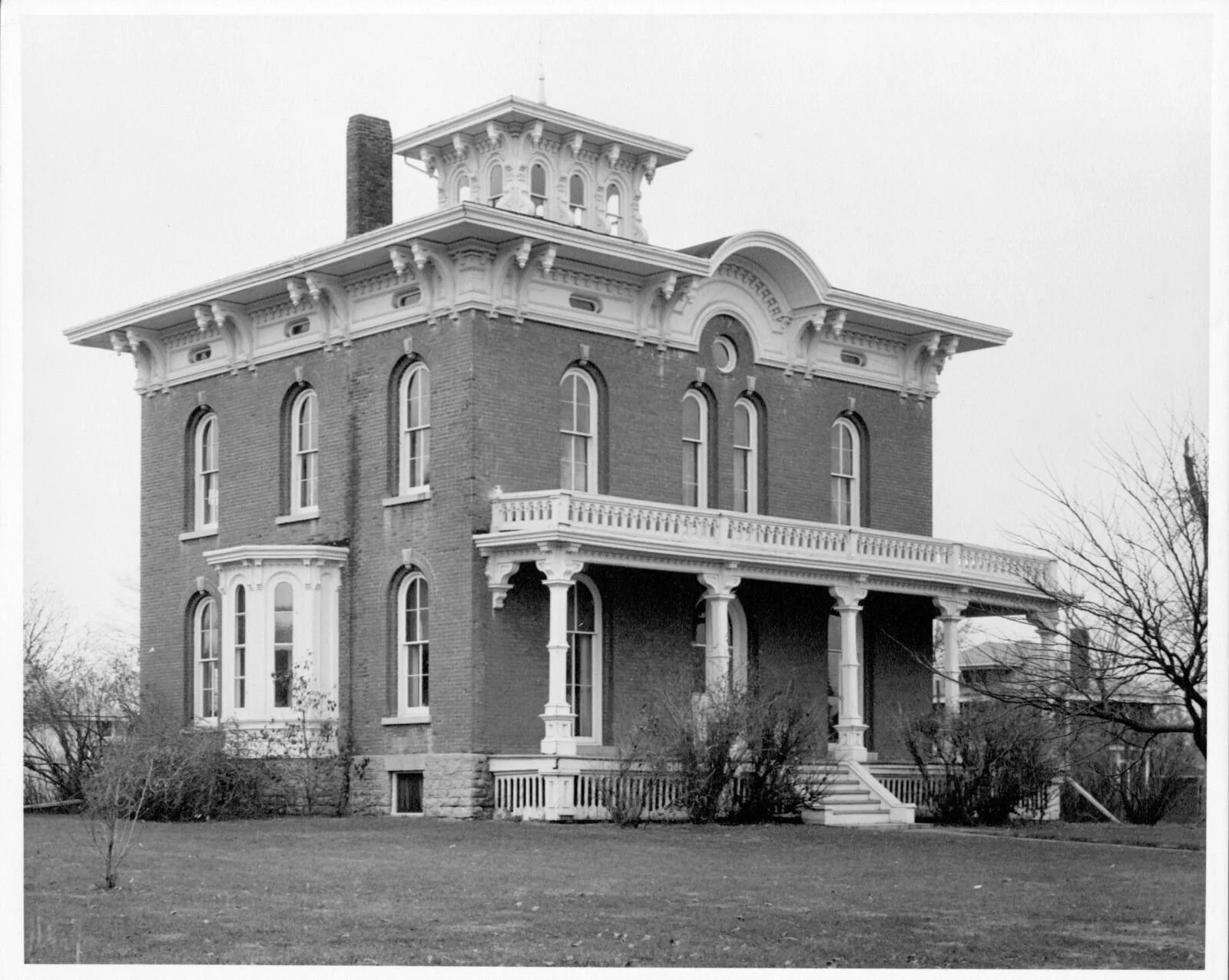
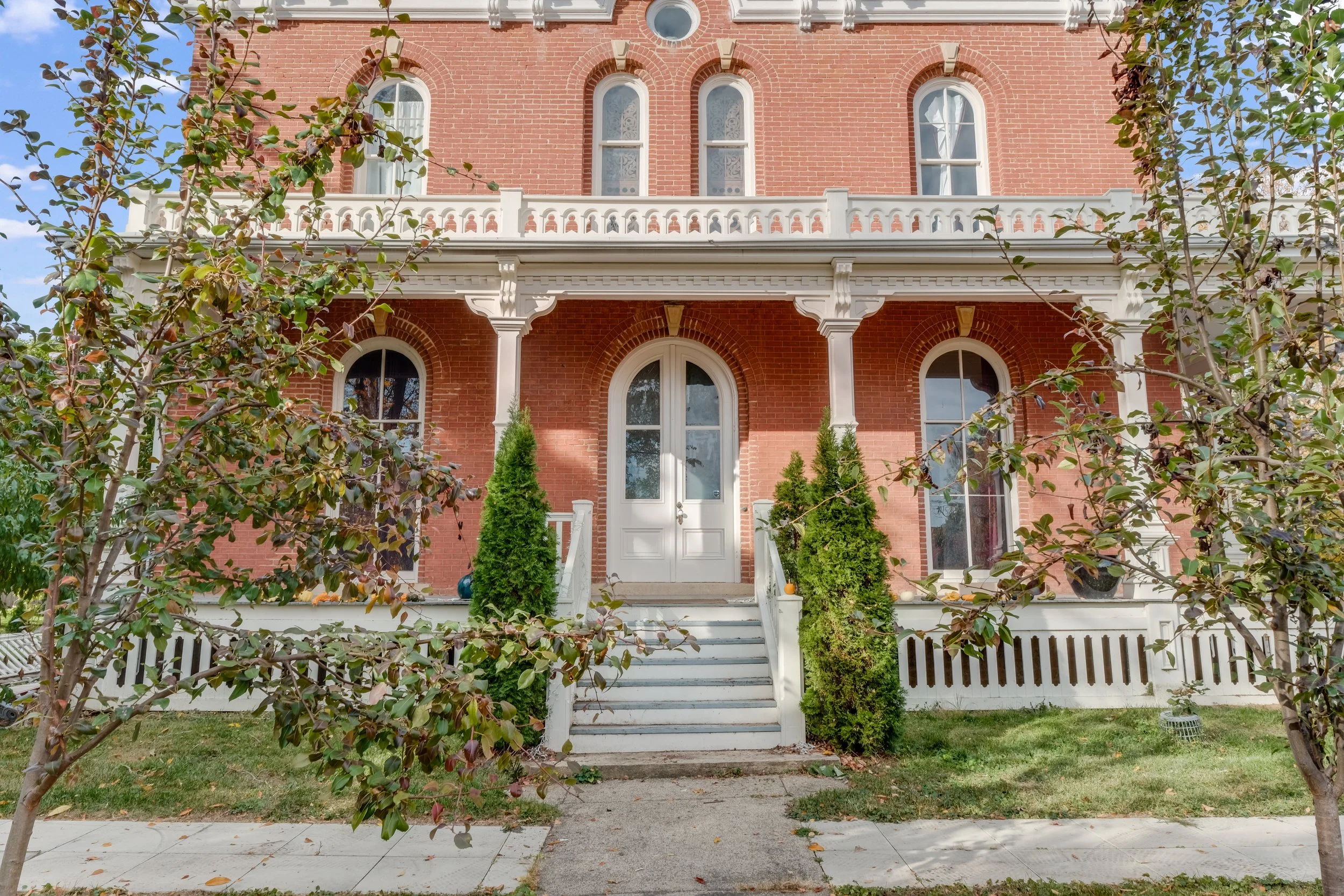
Its wraparound front porch, chamfered columns, and decorative friezes reflect hallmark Italianate design.
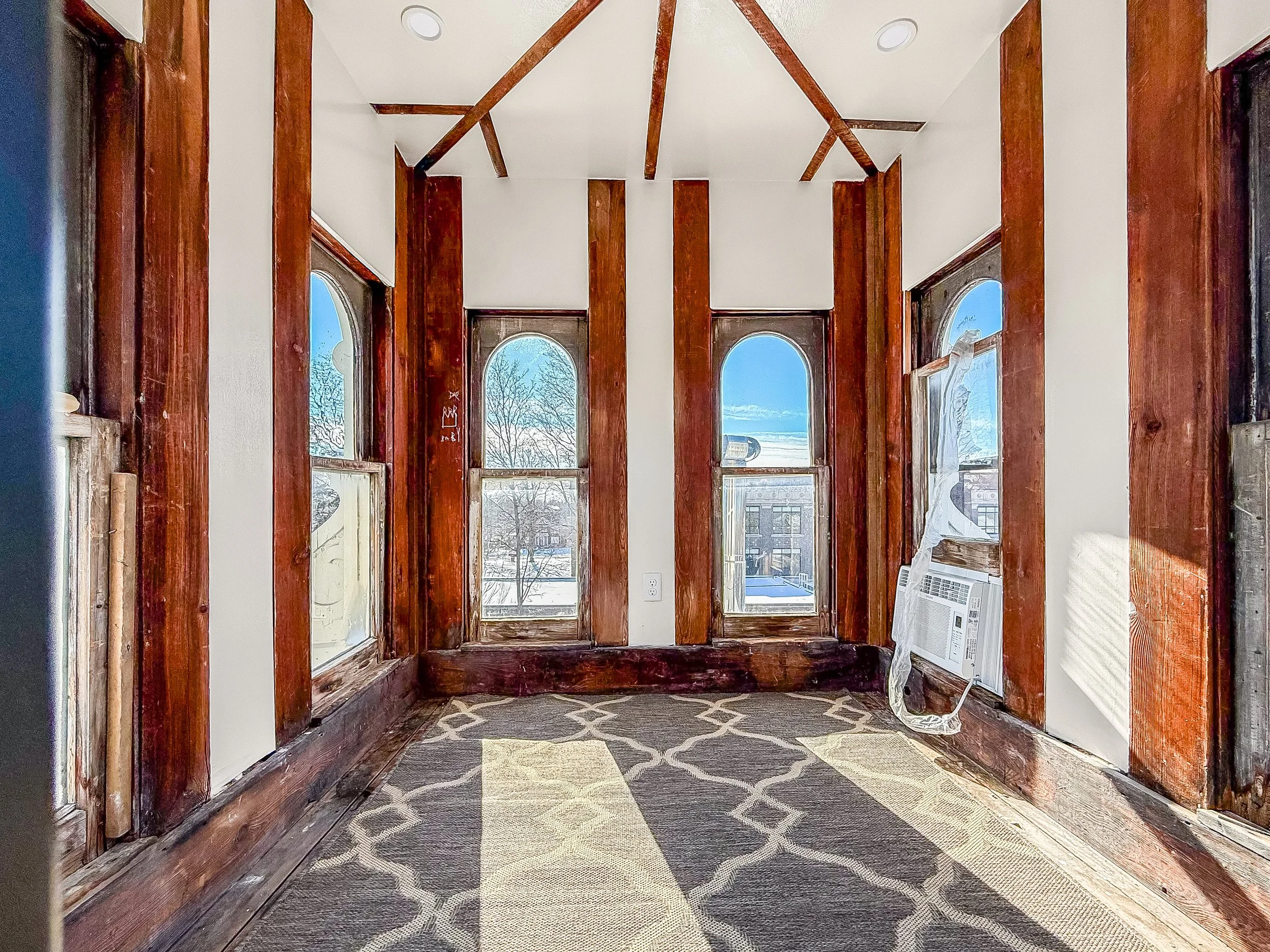
The symmetrical layout and square cupola rising from the roof make it a standout example of 19th-century residential architecture.
Originally built as a rental dwelling, the house played a part in Champaign’s shift from frontier settlement to established community.
The Solon Family Era (1907–2005)
In 1907, the residence entered a new chapter when Francis and Abbie Solon purchased it from the Harwood family, who had owned it for nearly four decades. The Solons — deeply rooted in local agriculture and civic life — made the house their family home.
Francis Solon was a prominent figure in Champaign County, not only for his real estate interests but also for his role in local politics, serving in leadership positions on boards such as the Champaign County Democratic Central Committee.
For the better part of the 20th century, the Solon House was a private residence, witnessing generations of family growth and local change. Abbie lived there until her death in 1967, and the last surviving child remained until 1995.
Preservation and Legacy (1998–Present)
Recognizing its importance, the City of Champaign designated the house a local landmark in 1998, ensuring protections against demolition or insensitive alteration.
In 2005, the Solon family generously donated the house to the Preservation & Conservation Association (PACA), a nonprofit dedicated to preserving Champaign County’s historic fabric. This act was a turning point — shifting the house from private residence to community heirloom.
That same commitment to heritage led to its listing on the National Register of Historic Places on July 3, 2007, giving the Solon House recognition at the national level for its architectural and historical importance.
In the decade that followed, PACA stabilized the structure, addressing foundation, roof, and exterior issues while exploring future uses for the building.
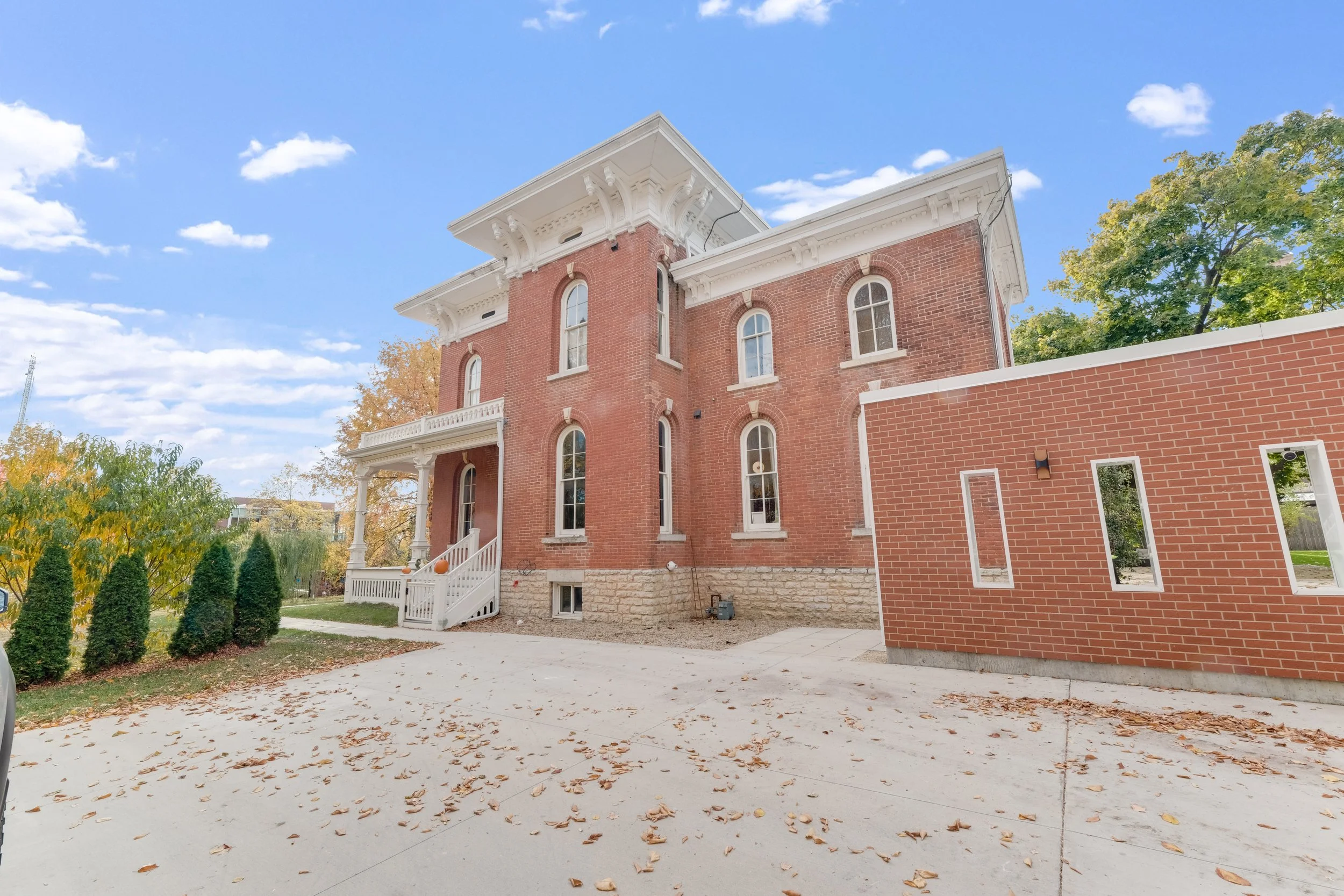
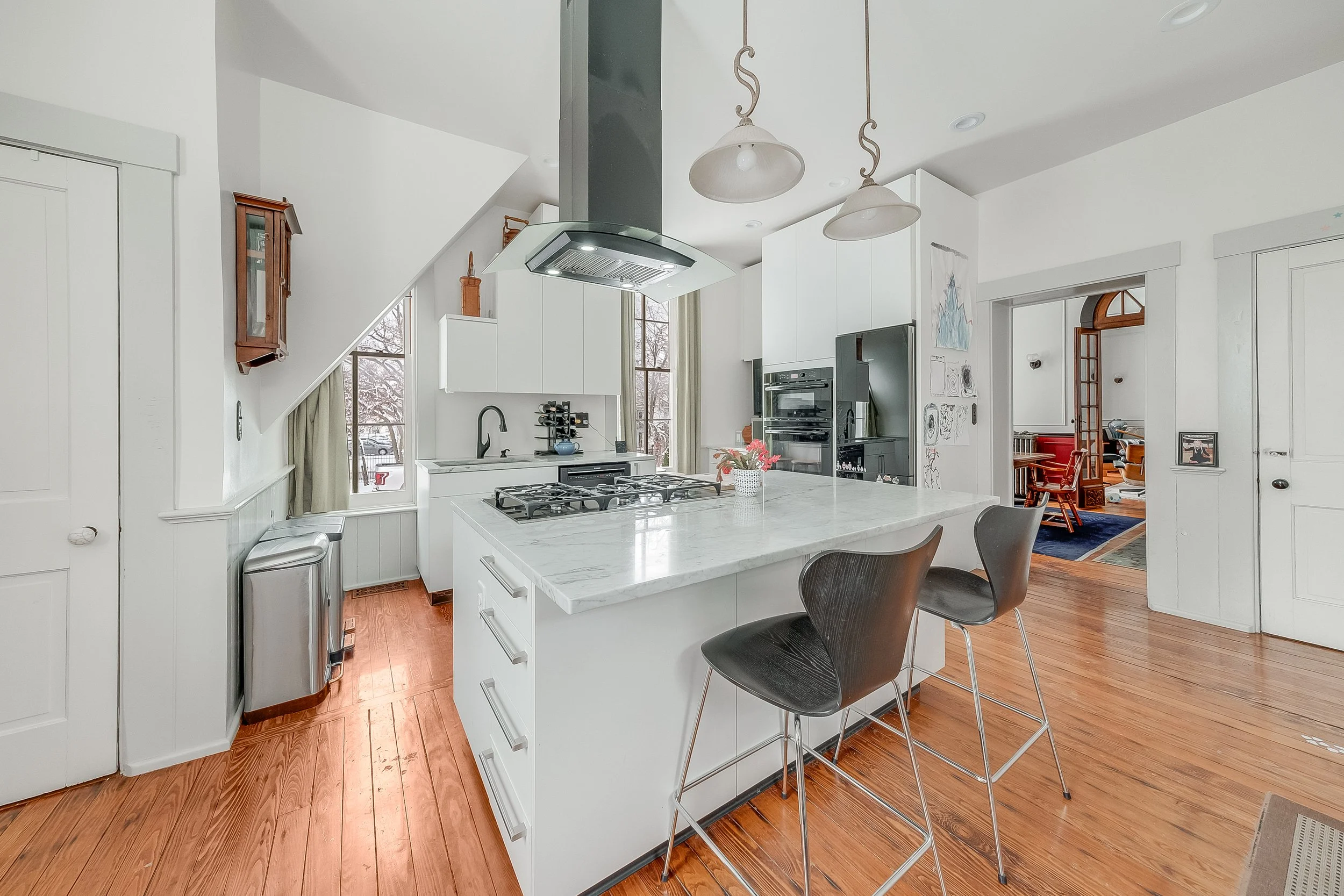
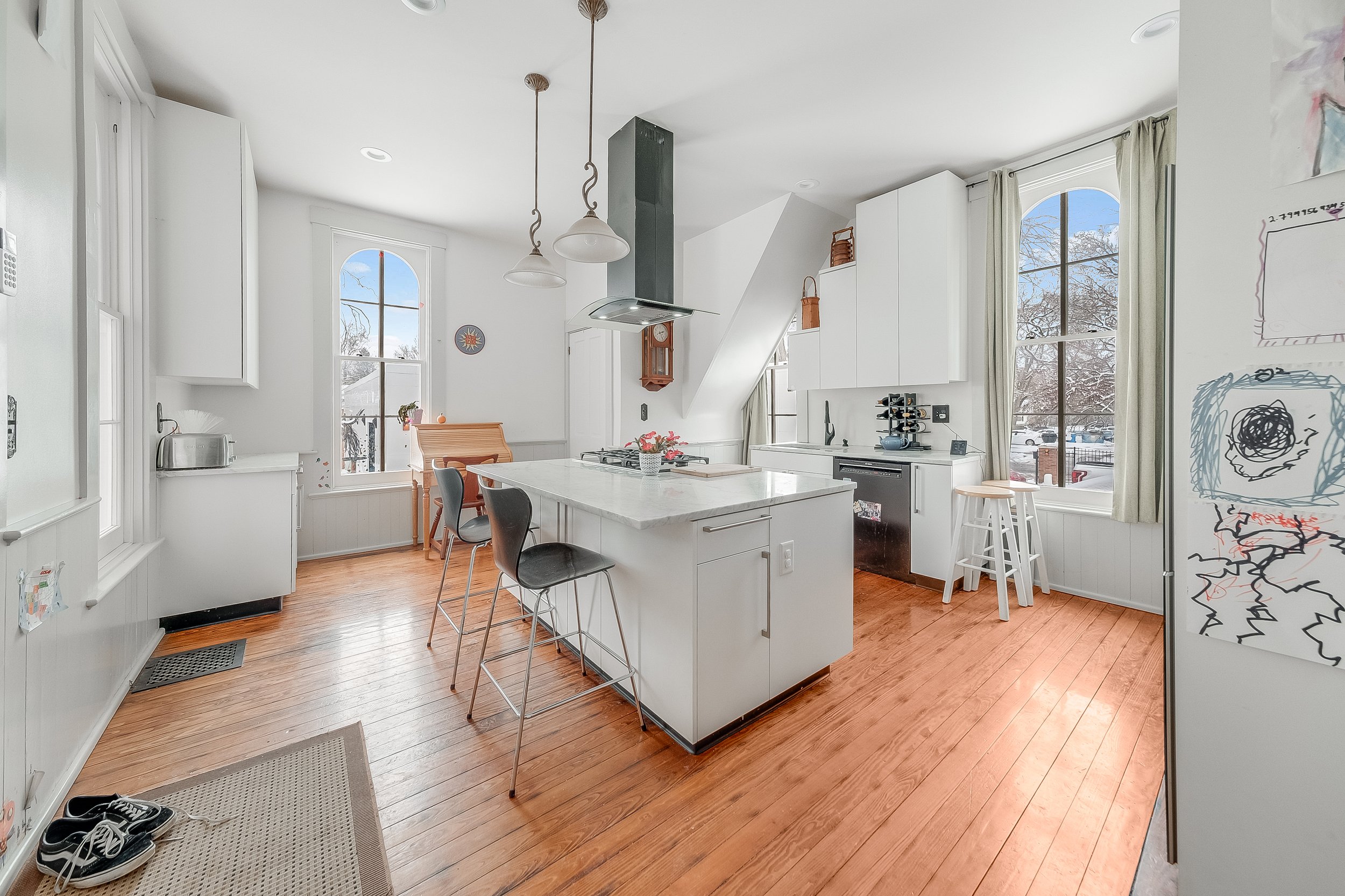
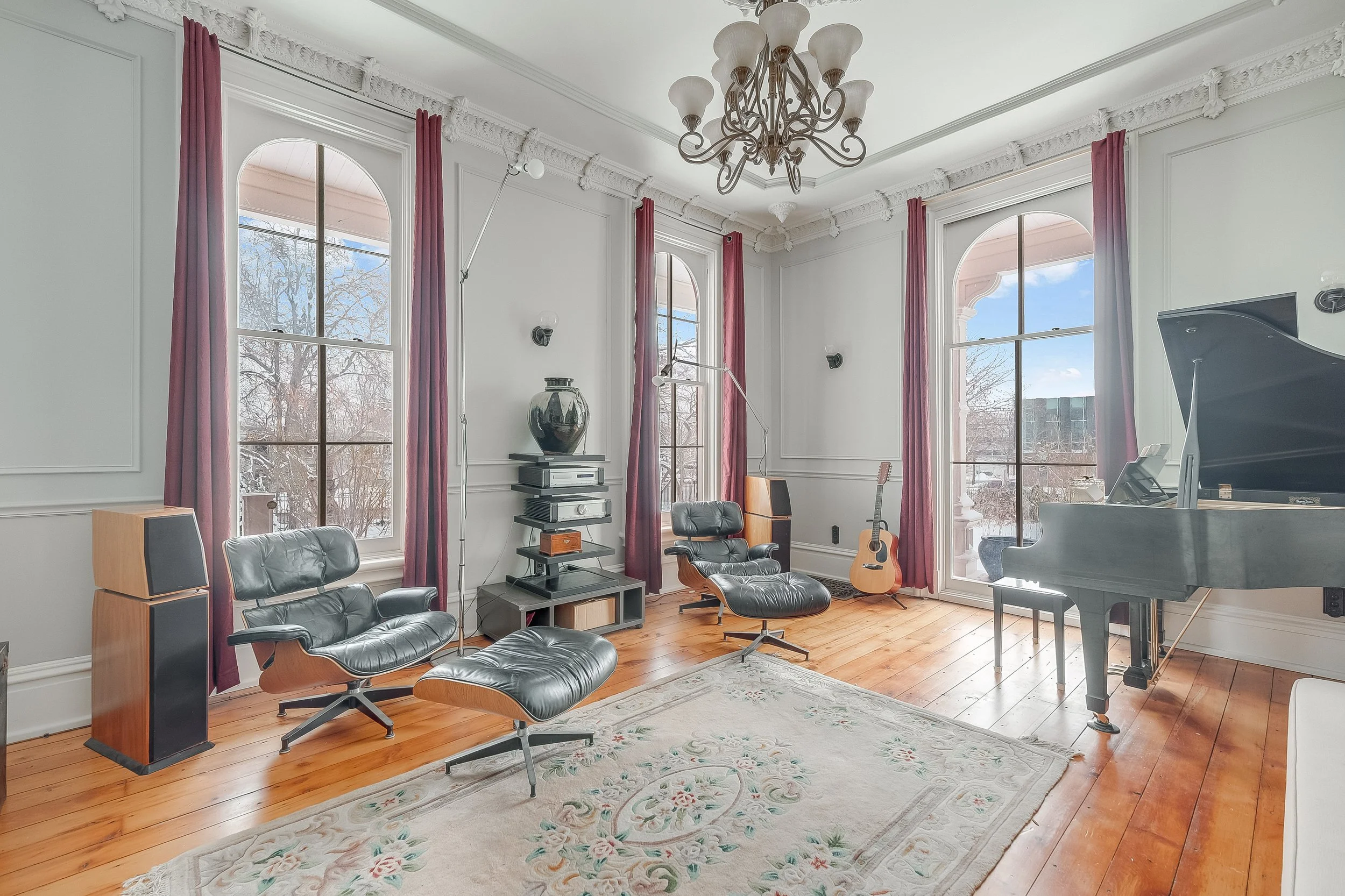
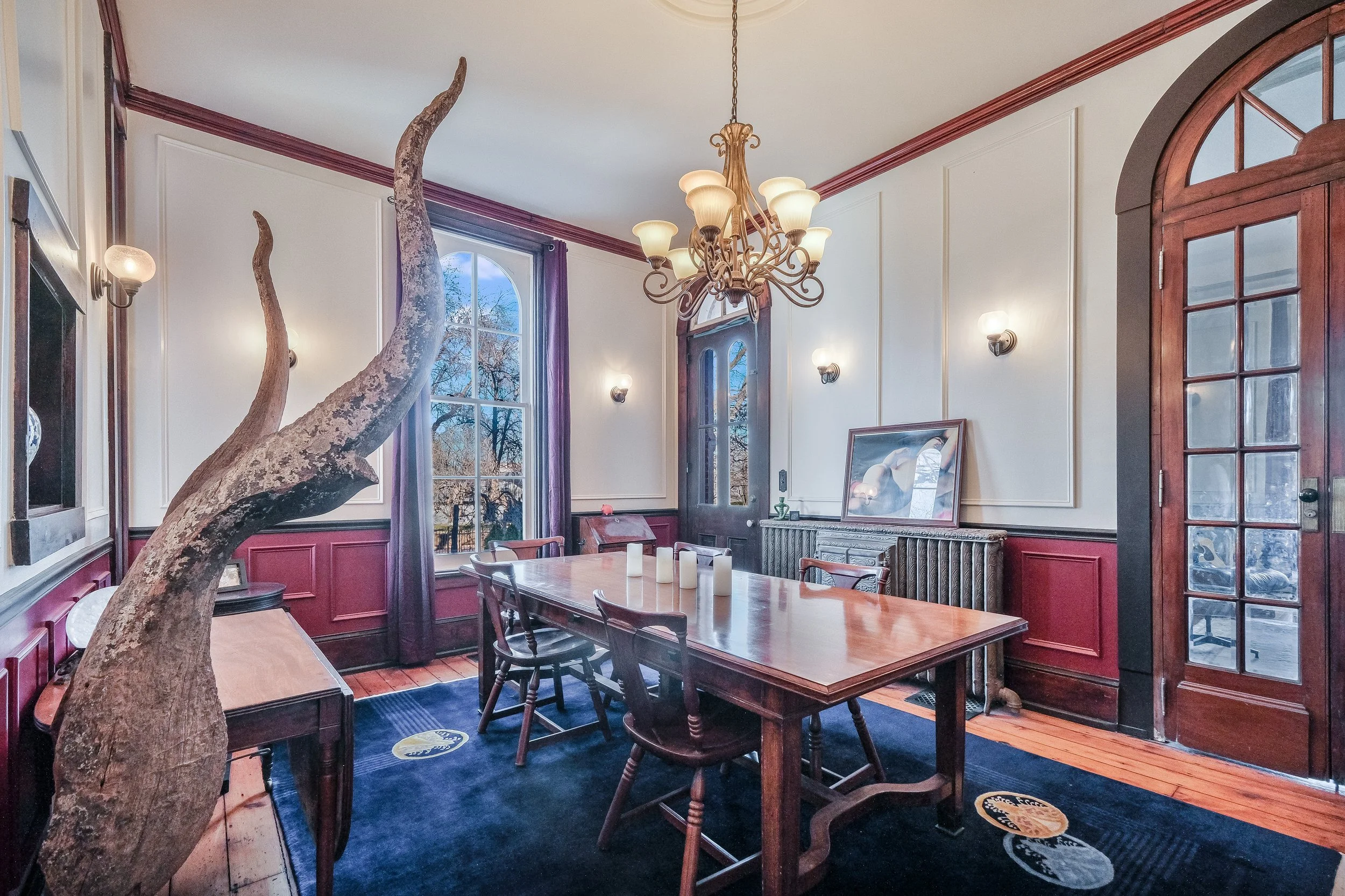
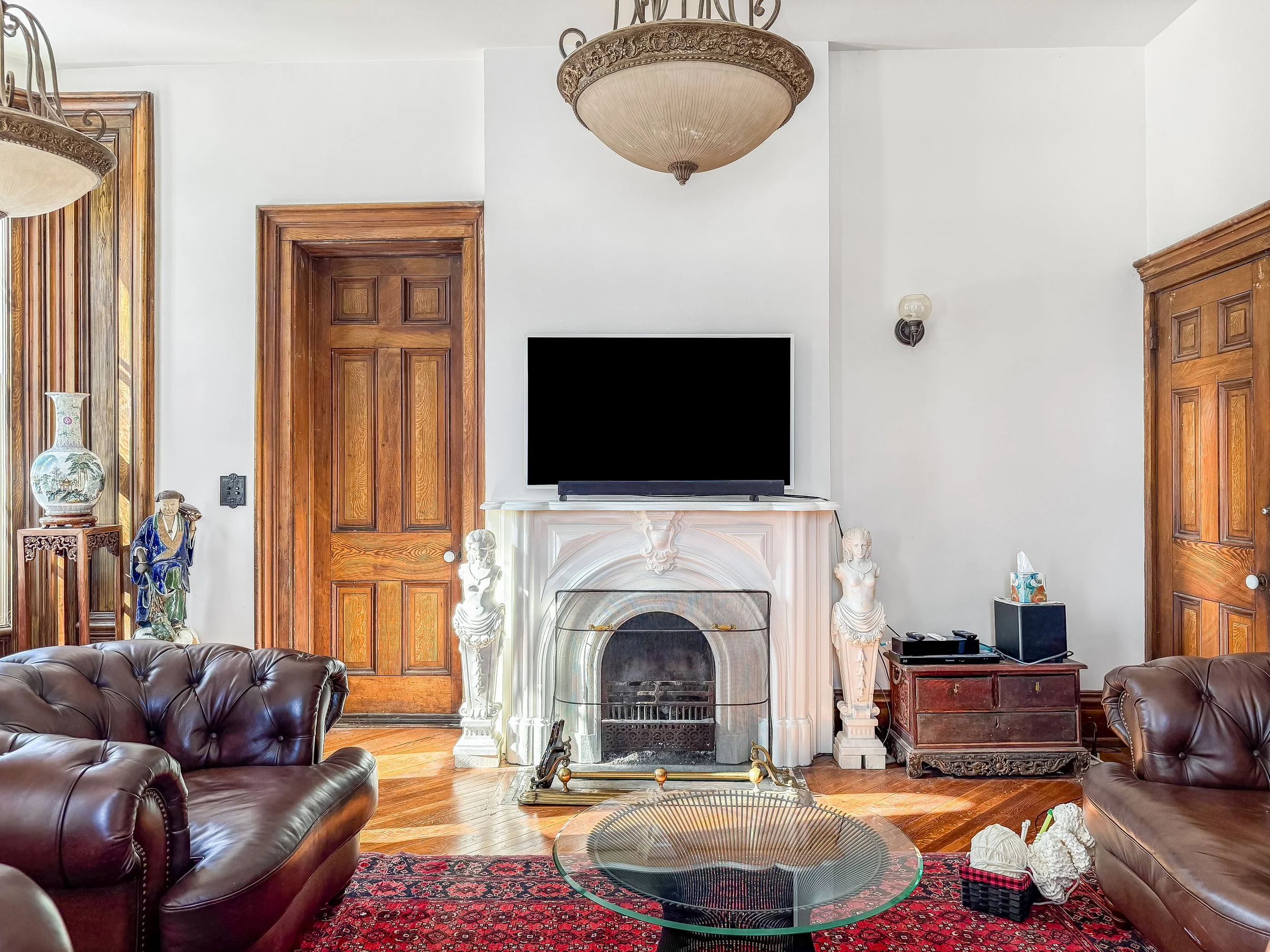
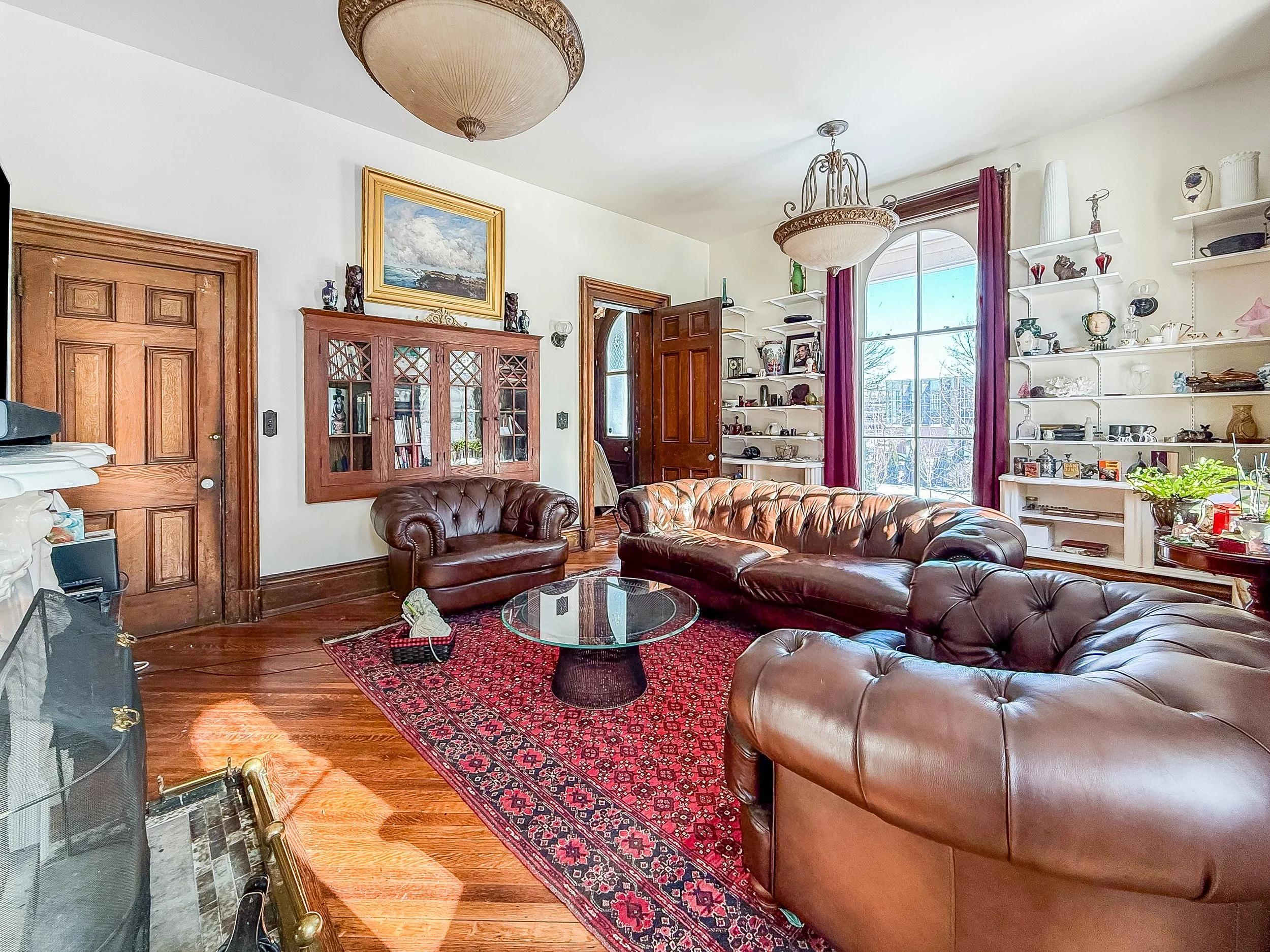
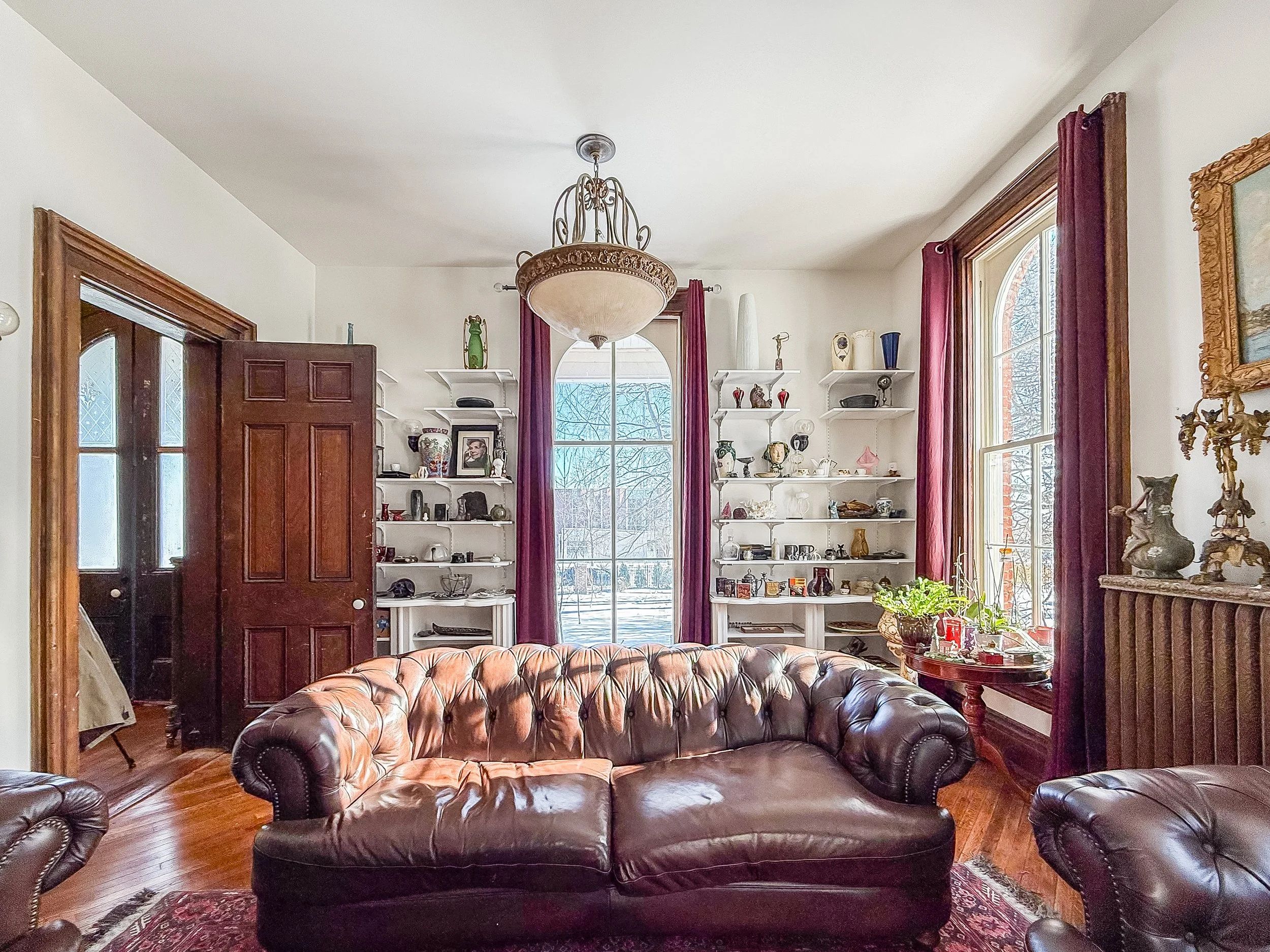
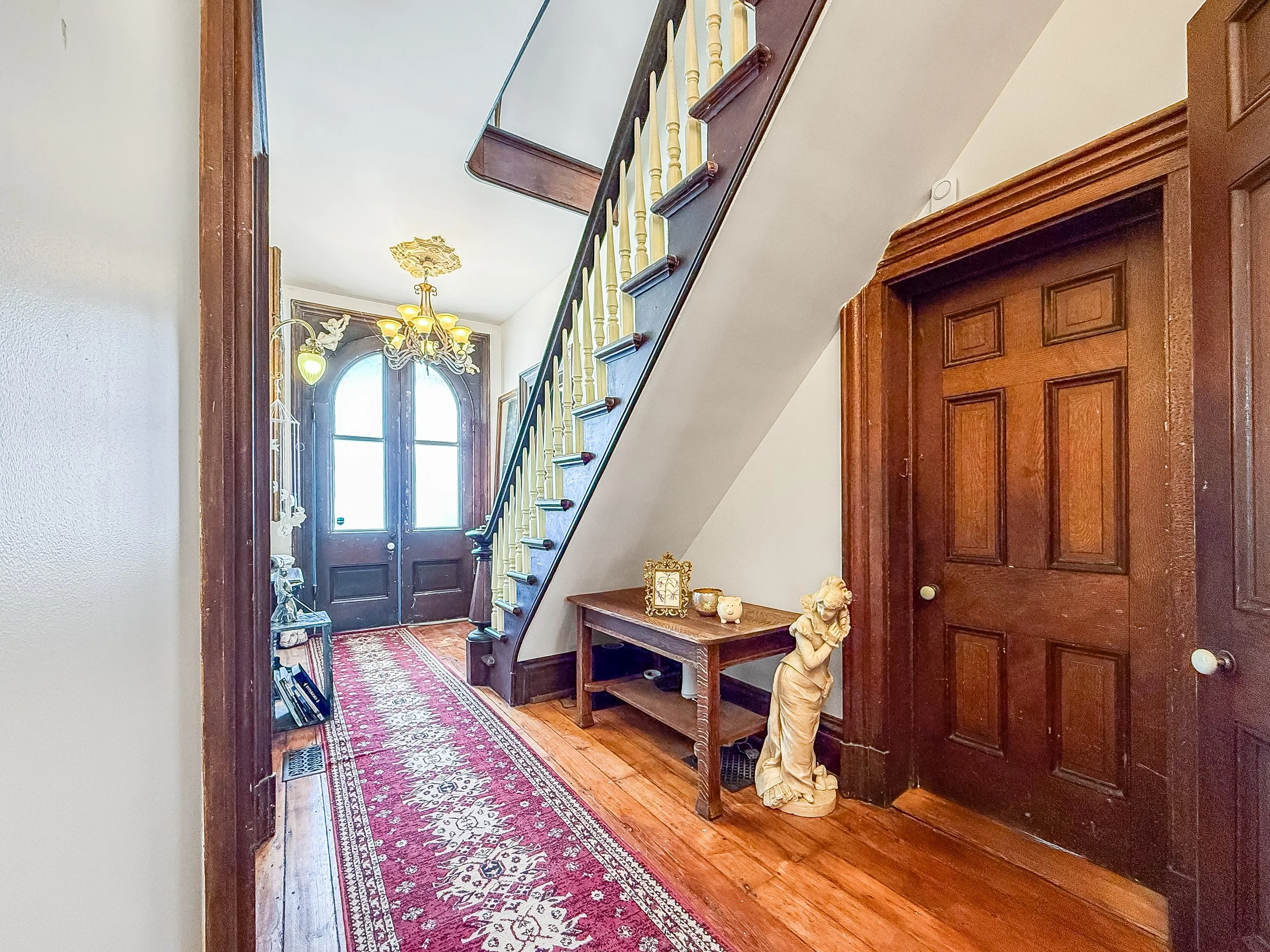
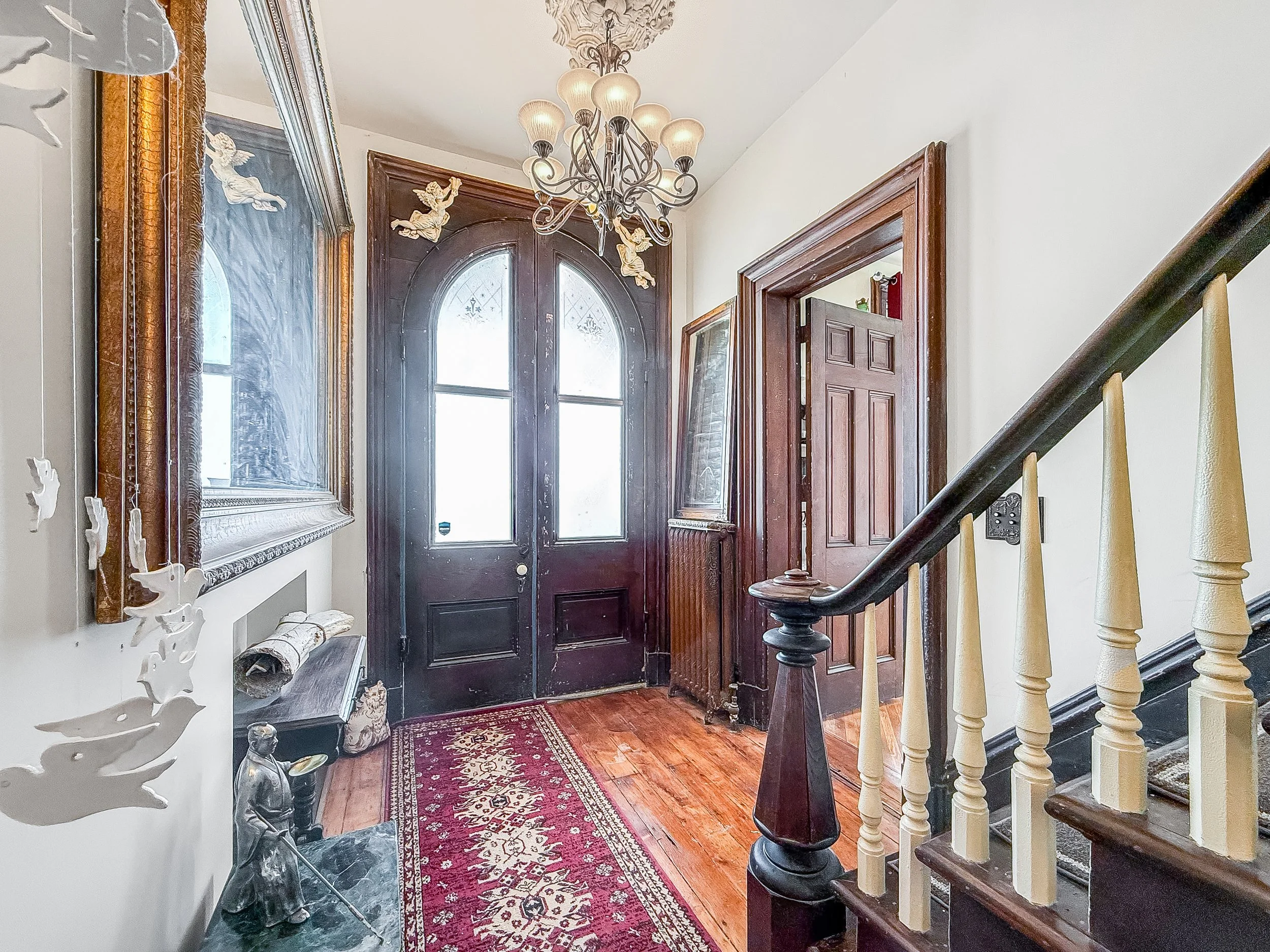
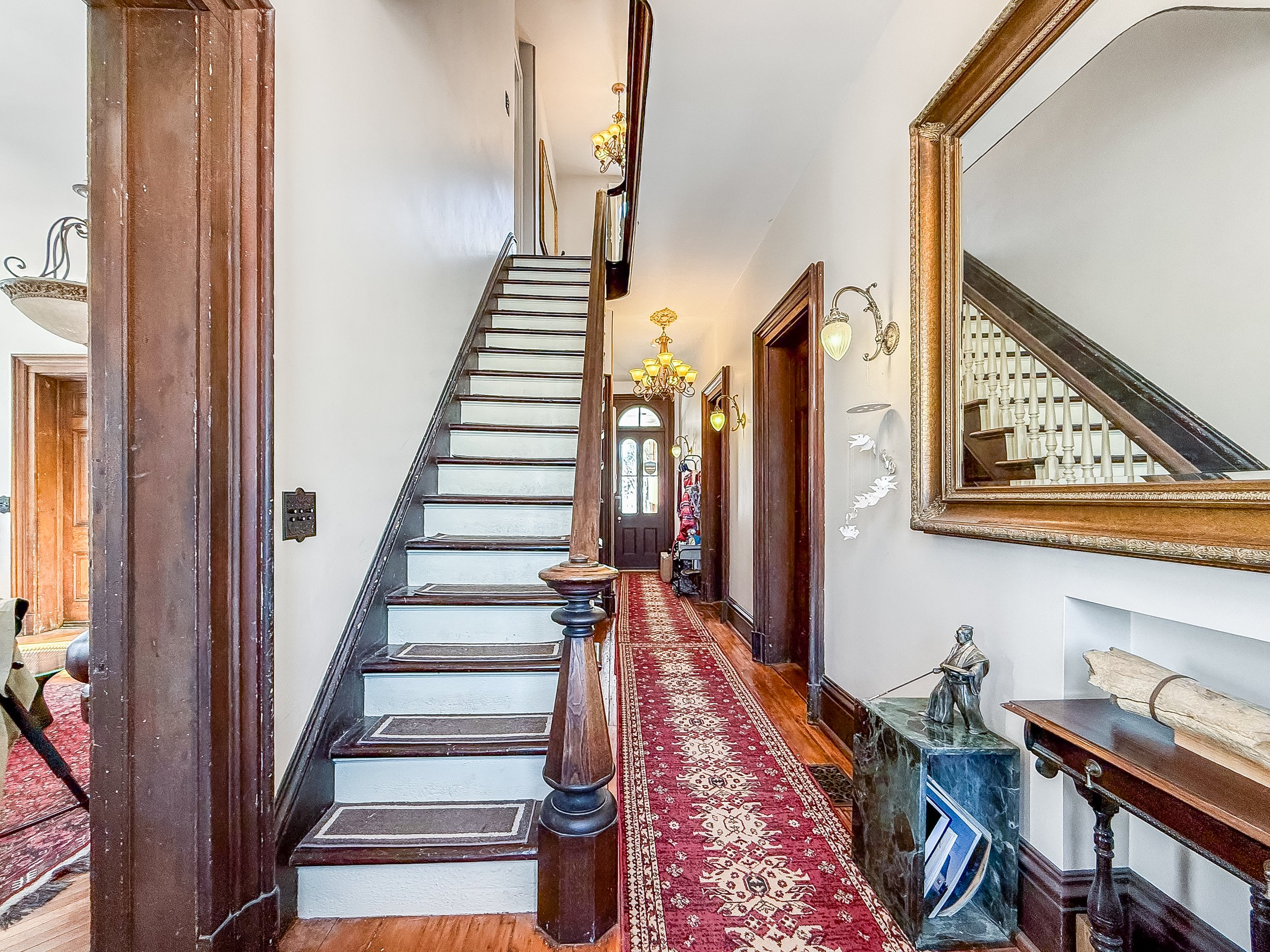
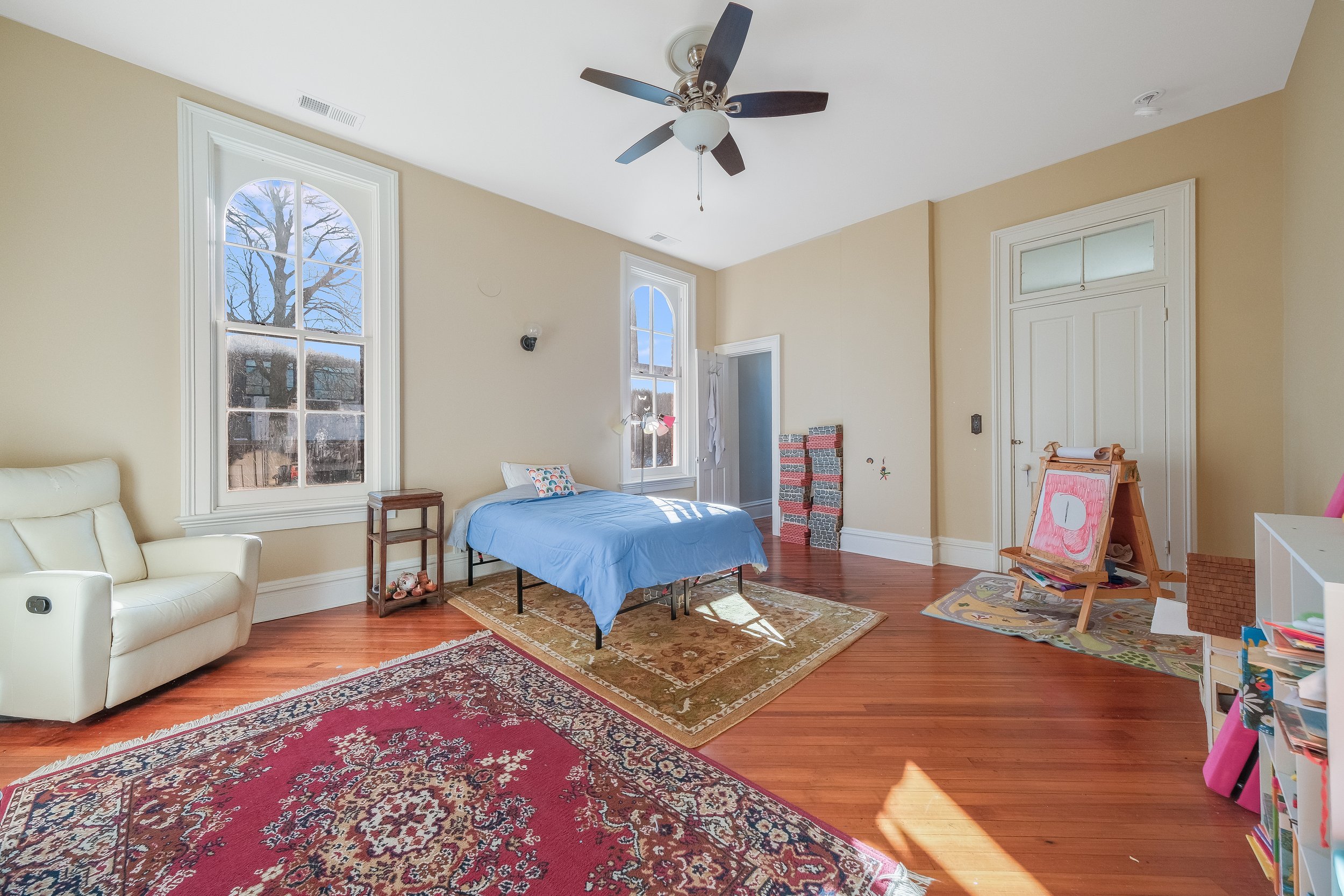
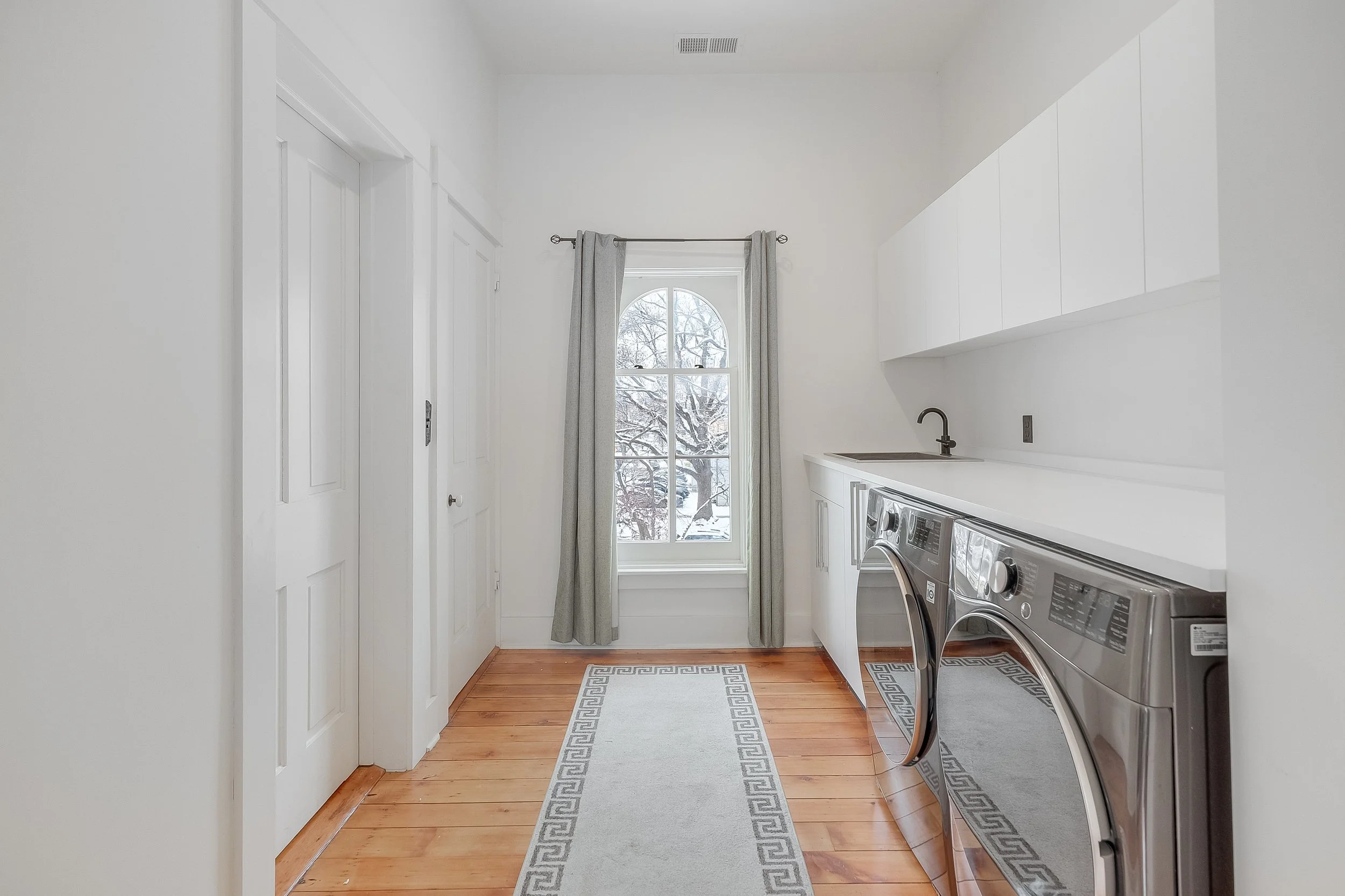
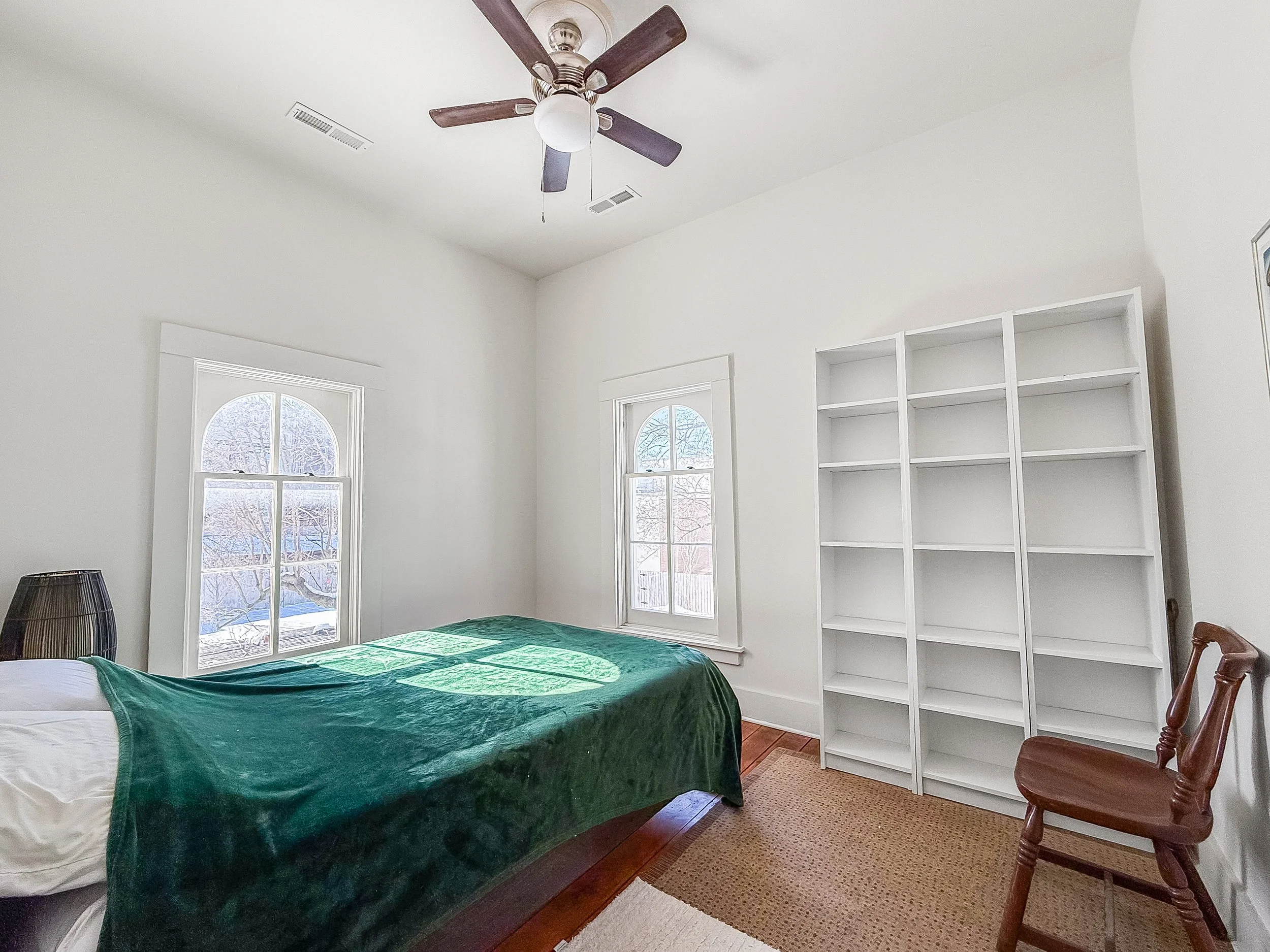
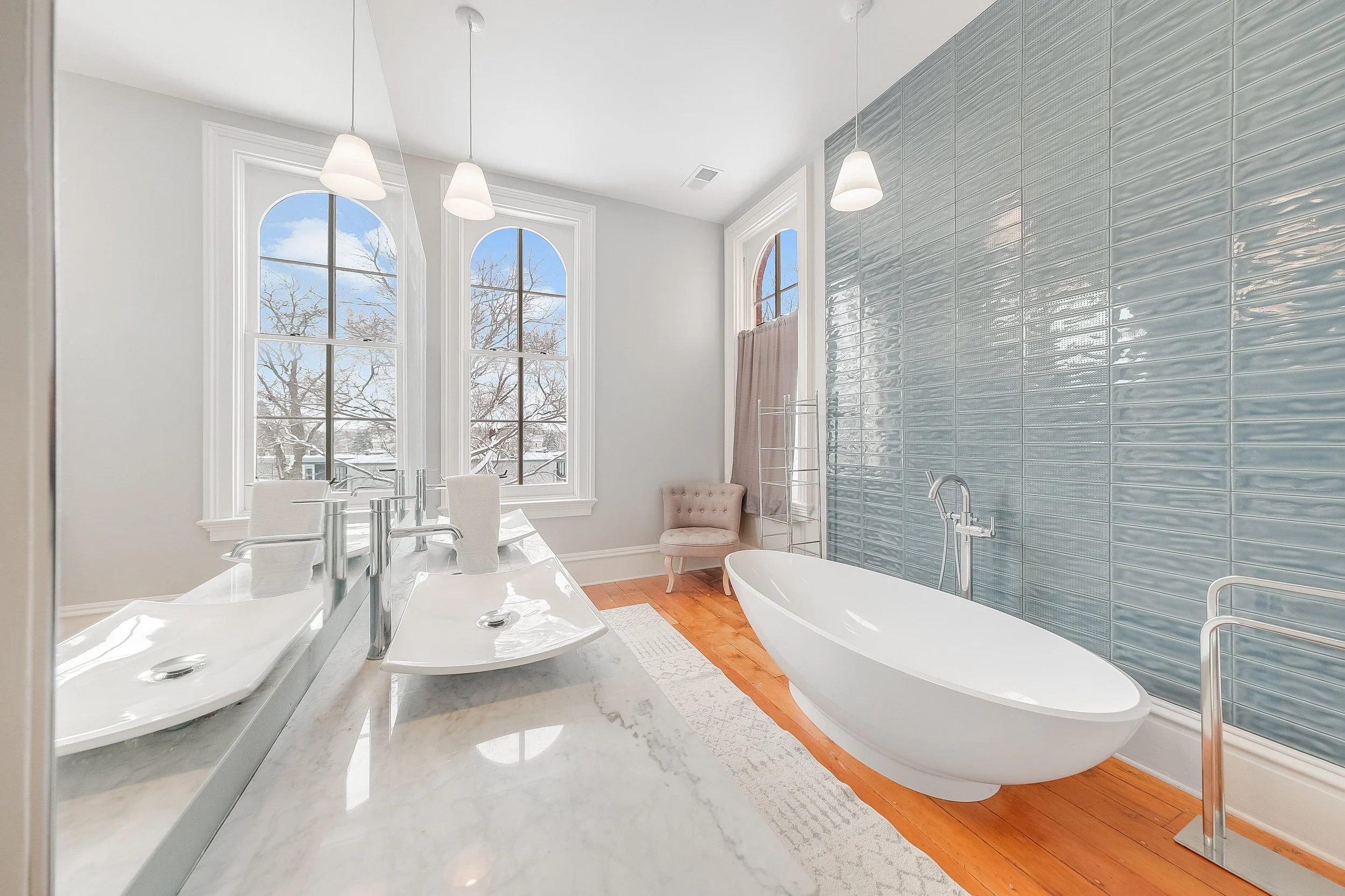
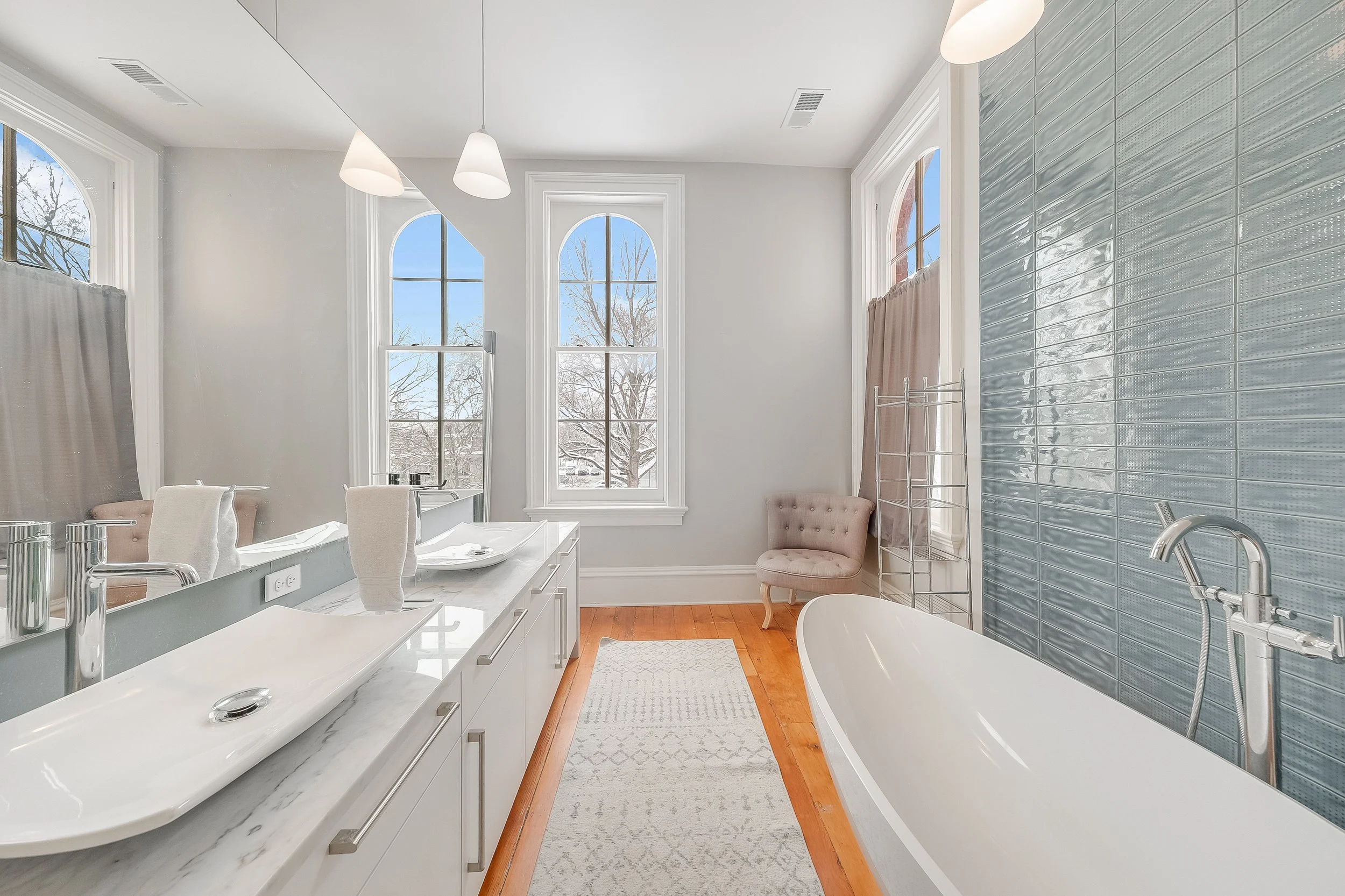
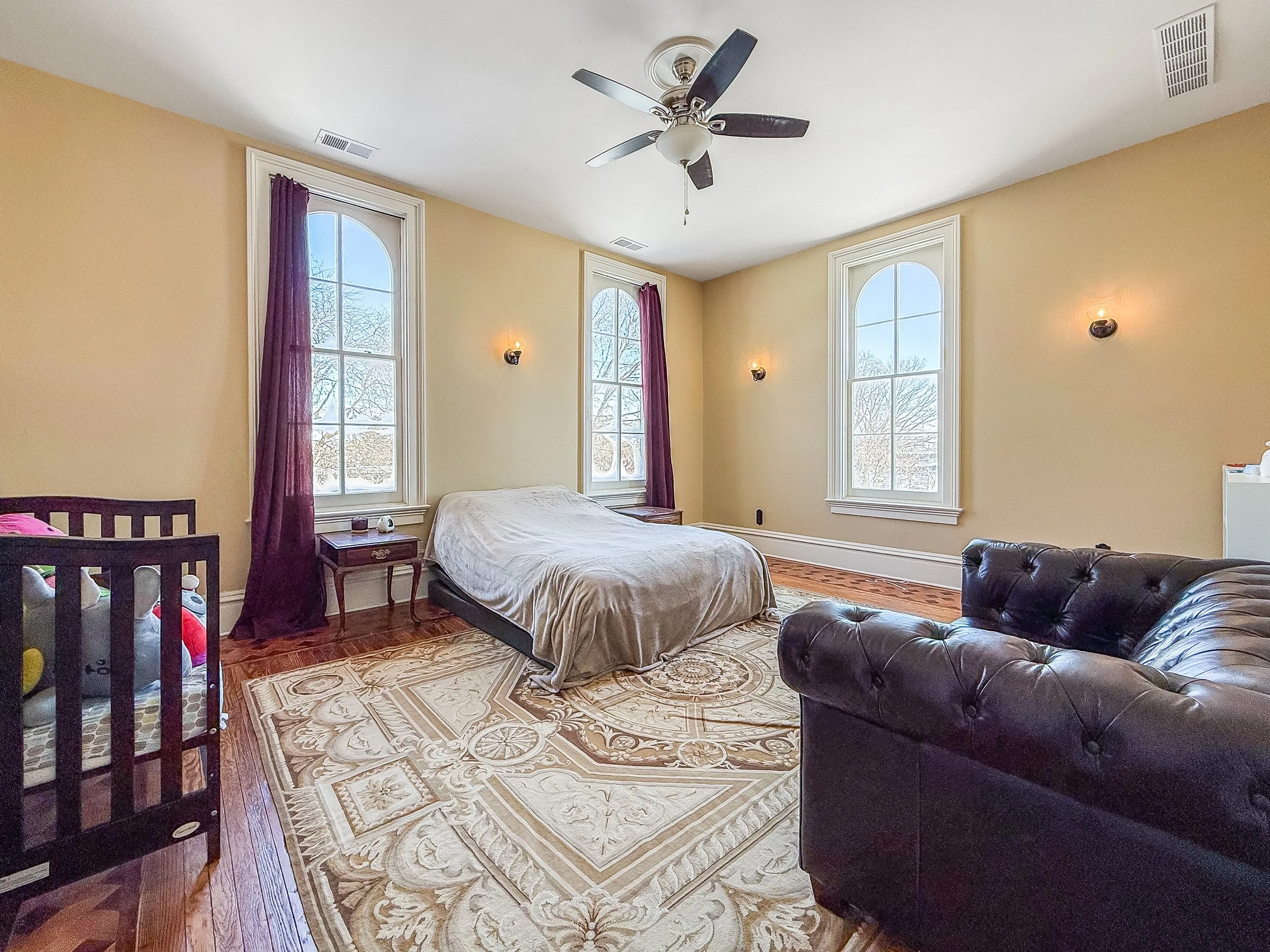
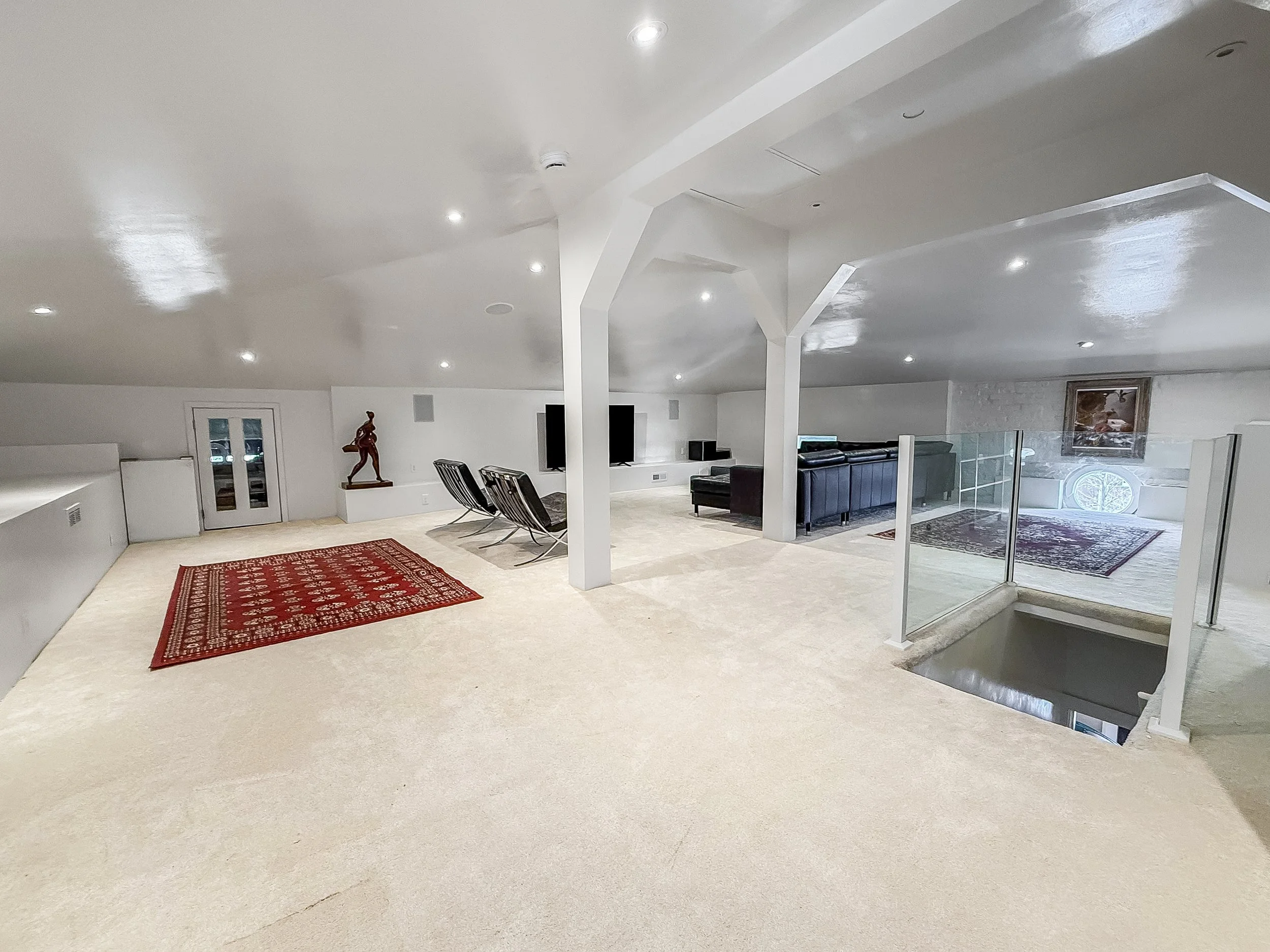
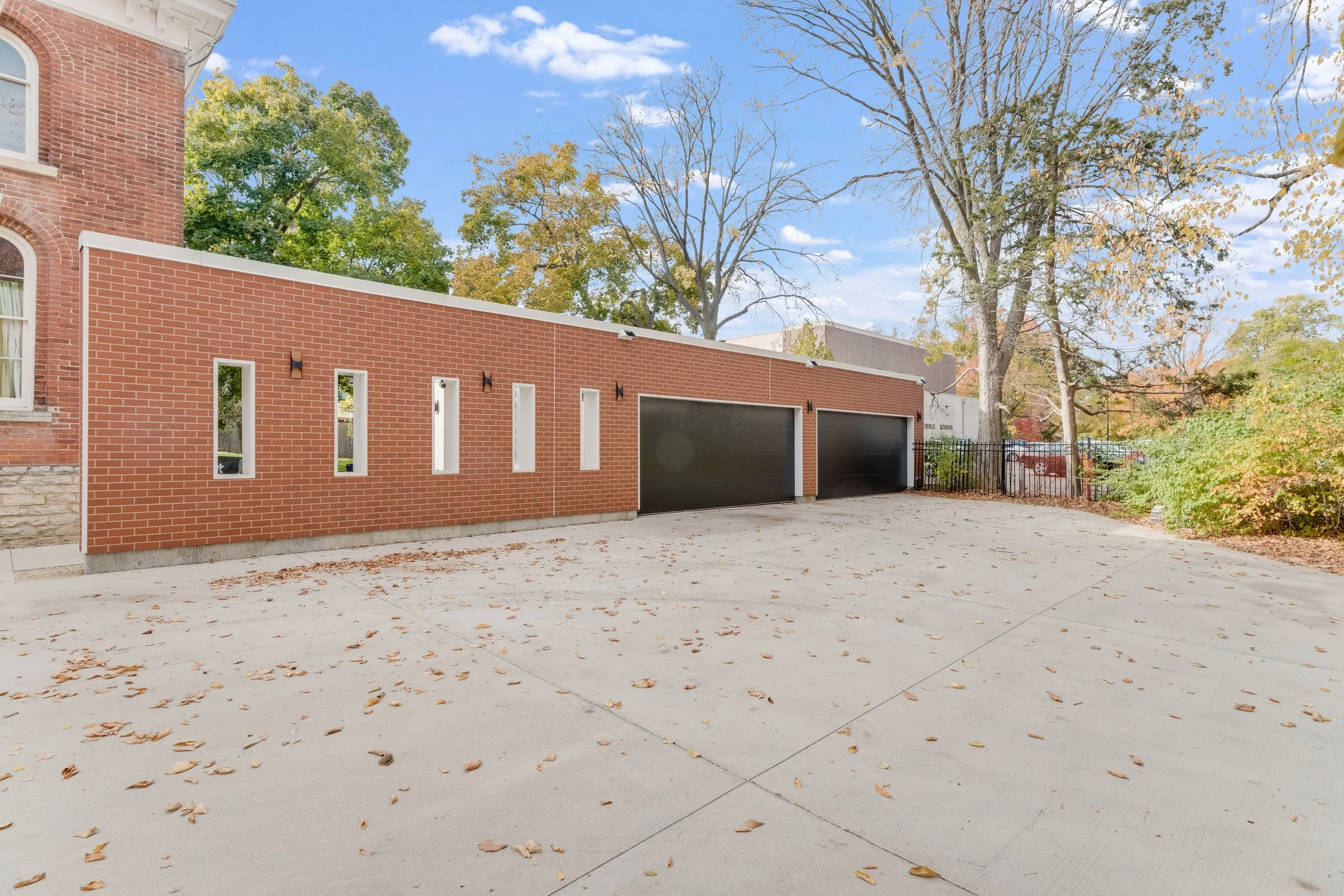
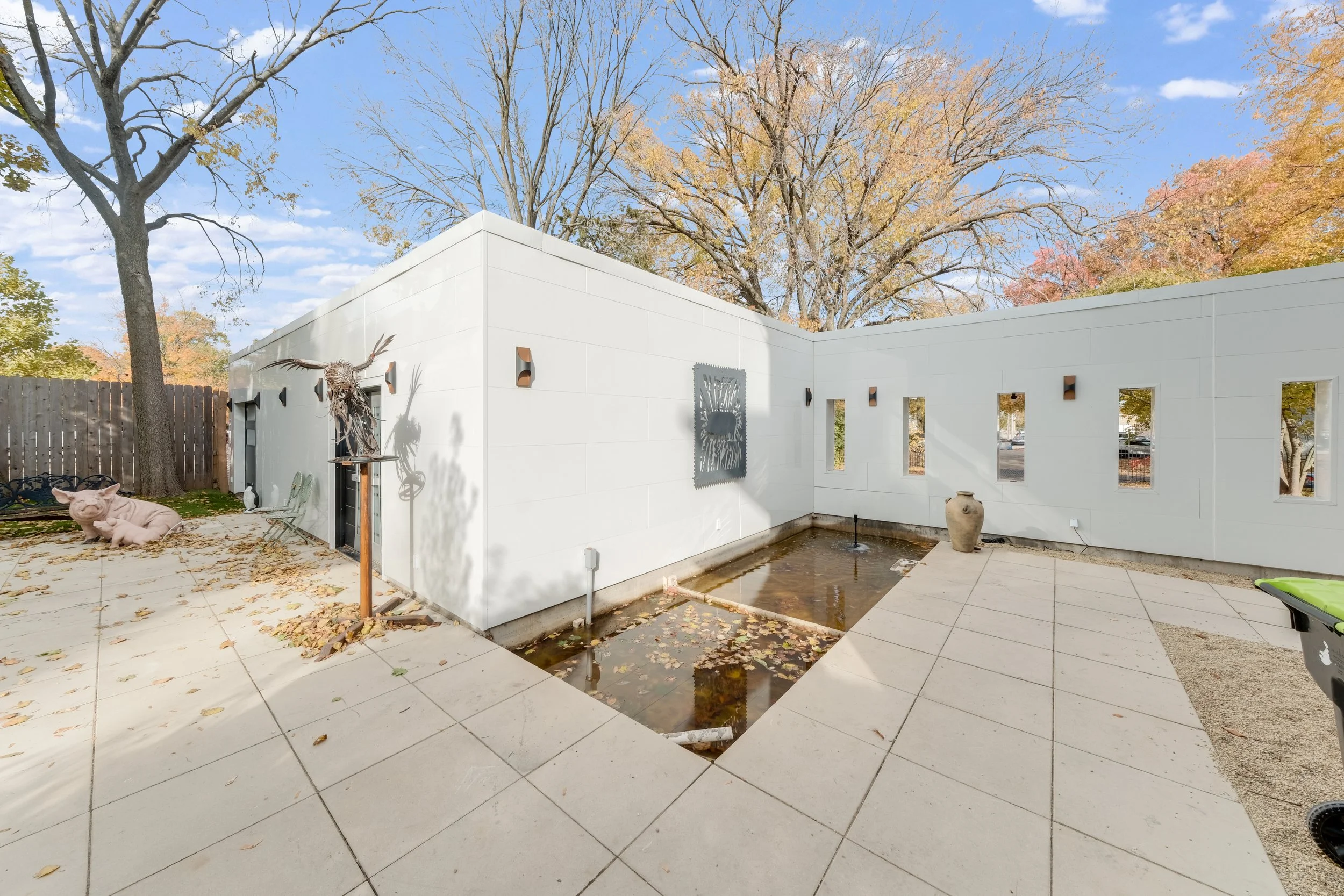
In 2017, it was sold to a private individual with the intention of returning it to a single-family residence — a fitting future for a house that began its life as a home. Thoughtful renovations over the following years adapted it for modern living while honoring its historic character.
A Landmark Standing Through Time
Today the Slone House serves as more than just a beautiful old building — it’s a living monument to Champaign’s evolution. From its Italianate grandeur to its role as a cherished family home, and finally as a preserved landmark, it connects us to the city’s roots in the 1860s and offers a tangible link to the stories of people who helped shape the community we know now.
Available June 1, 2026
With availability beginning June 1, 2026, now is the perfect time to begin planning if you’re seeking a one-of-a-kind rental in Champaign. Properties of this caliber and history rarely come to market, especially as rentals.
If you’re interested in learning more, scheduling a future showing, or discussing whether the Slone House is the right fit for your needs, reach out early—opportunities like this tend to move quickly.